
Suri Alpaca Yarn: A Hand-Dyer's Guide to the Softest Lace Weight
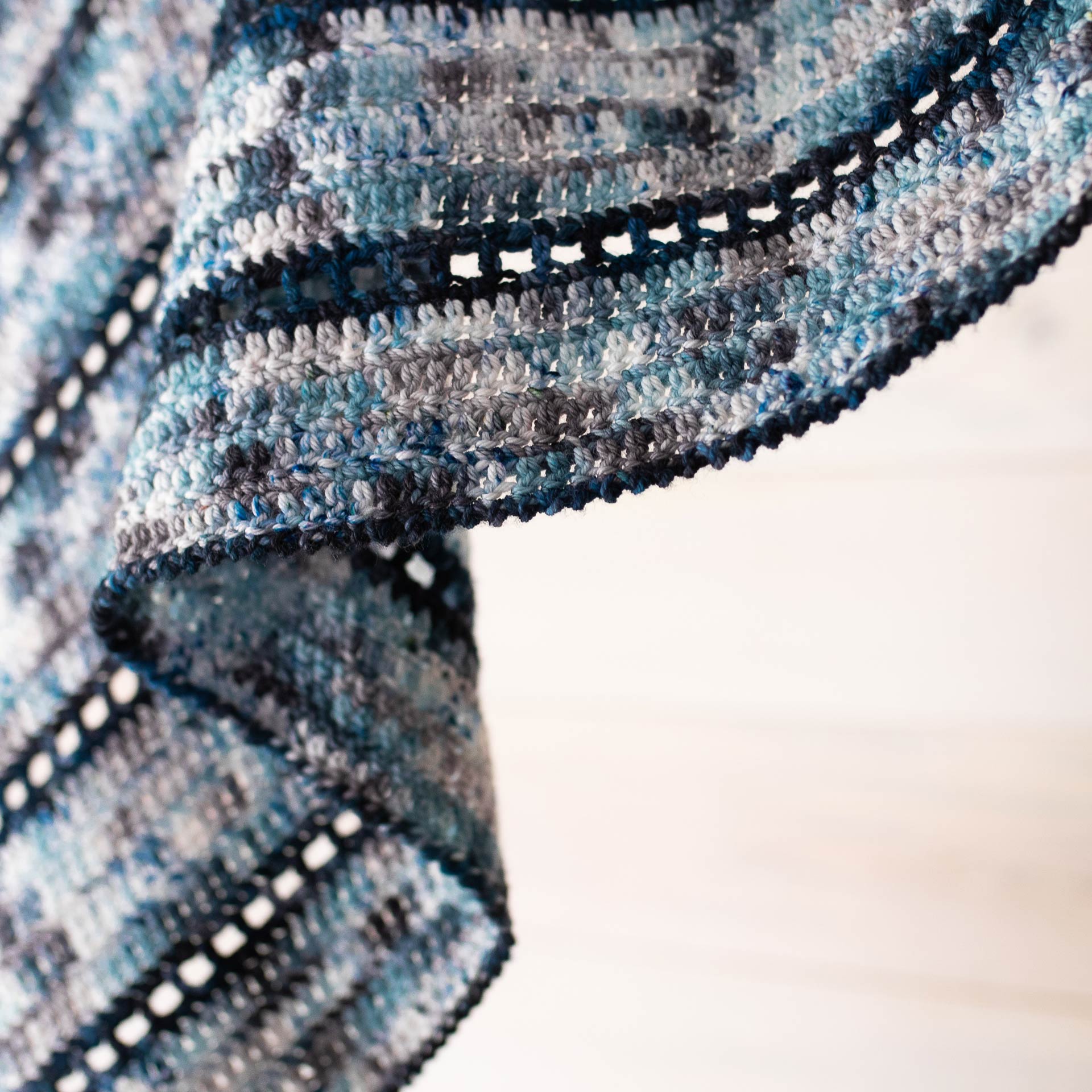
Suri alpaca yarn is spun with brushed fibers from real suri alpacas. Long celebrated for being deliriously soft and water-resistant, this dreamy lace weight makes an excellent choice for shawls, accent stripes, and held-double layering.
What is suri alpaca yarn?

Dust off those fiber nerd glasses: let's get right to it! When it comes to alpacas, lots of people picture the crimped curls of the huacaya alpaca, a more commonly recognized breed. (What can we say, they must have better publicists.) But really only about 10% of the world's alpacas are suri, whose fibers grow in long, silky dreadlocks. Unlike huacaya fiber, suri alpaca yarn does not pill.
Alpaca fiber is hollow and traps more air than wool weight-for-weight, so suri alpaca yarn is warm but drapes without bulking up. Suri is almost always blended with silk for knitting yarn because it adds drape, sheen, and a stable ply for the fuzzy suri fiber. Suri Lace is also non-superwash -- so just be sure to only wash it by hand.
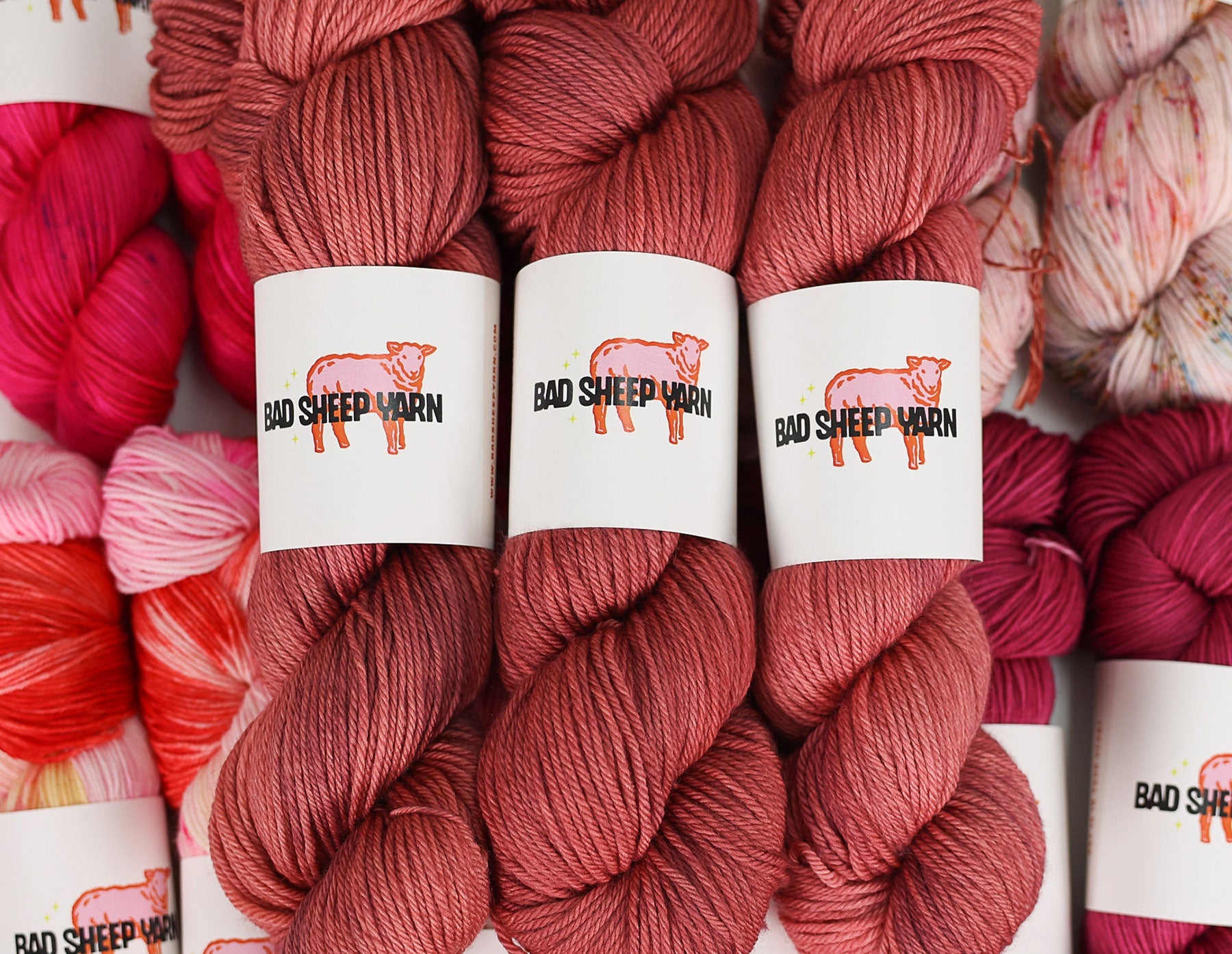
Explore our Suri Lace collection
Discover our fiber information page
Quotable Answer
Suri alpaca yarn is made from the fleece of suri alpacas -- a less-common alpaca breed whose fiber grows in long, silky "dreadlocks" rather than the crimped curls of huacaya alpaca. The result is a yarn with exceptional drape and a soft halo that sits beautifully in lace shawls.
At Bad Sheep Yarn, Suri Lace is a 74/26 blend of suri alpaca and silk, lace weight, in 328-yard / 50-gram skeins, hand-dyed in small batches in our Pensacola, Florida studio. It is non-superwash -- hand wash only, and steam block to preserve the halo.
Suri alpaca vs. baby alpaca vs. mohair -- what's the difference?

Suri alpaca is a less common breed of alpaca known for silky, drape-heavy fibers. The difference between alpaca and suri alpaca is the fiber: "Alpaca" generally refers to the most common breed of alpaca, huacaya, who produce more sheep-like fibers compared to suri alpacas, who produce fibers known for being more sticky.
Baby alpaca can come from either suri or huacaya breeds. (No babies are harmed in the wool making process, by the way! This is a common misconception.) "Baby" is basically an age/grade designation. It has less halo than suri, and more stitch definition. You'll always get a softer micron count from younger animals. Baby suri alpaca is the youngest, finest cut of suri fiber specifically.
Mohair is from a different animal entirely, the (adorable) angora goat, who has a fluffier, more pronounced bloom, and a stronger halo effect than suri. Brushed suri is sometimes confused with mohair because of the halo, but the fiber origin and hand feel are definitely different.
I can tell I'm holding a suri and silk blend in my hand because drape is always a dead giveaway. Suri pools and flows -- it's softer and less scratchy than mohair. A wool/nylon fingering sock yarn has elasticity and spring back. For projects where drape and halo matter, I think suri wool is worth it -- yes, 100%. For everyday socks, heavy-wear sweaters, or items that need structure, I'd reach for our superwash collection instead.
What can you knit or crochet with suri alpaca yarn?
Here are some common questions we get in the dye studio and some projects we love pairing with a sumptuous suri alpaca blend.
Is suri alpaca yarn good for shawls? Yes, and here's why: Open stitch patterns let the halo and drape do the work. The soft reduction in stitch definition is part of its charming appeal.
Can you knit a sweater out of suri alpaca? Yes, you can, but the held-double / accent approach is usually the better fit because of the drape. Our fingering collection or our DK collection give added warmth and a softened halo without the added bulk. This 2-ply yarn is amazing as a mohair substitute or held double with another merino base to create a gorgeous halo.
Accent stripes / colorwork: You don't need a full suri sweater to get the dreamy effect: just a single skein of suri lace transforms a wool project's hand feel.
Light layering pieces: Think wraps, summer cardigans, lace cowls, and capelets.


A little halo note from our dye studio: We've noticed stitch definition softens by row 2, and the halo becomes even softer after blocking and washing. This is totally normal, not a defect! The yardage frame is 328 yards / 50g -- enough for a small triangular shawl held single, or to layer through a 100g fingering project held double.
We love suri for its stunning soft halo. We dig mohair for a fuzzier bloom. All these fibers are beautiful in their own ways. For us, there's no fiber hierarchy -- we see them as different (fuzzy) tools for different results.
So what's going on your needles next? For more inspo, feel free to explore our Suri Lace collection, and read our beloved Silky Projects blog post.
How do you care for suri alpaca yarn?
Hand wash only: Because this is a non-superwash yarn, do not throw in a washer and dryer. Steam blocking is suggested. (See the full base spec on our fiber information page.) One reason knitters love suri is precisely because it doesn't pill (cause an outbreak of fuzzy knots due to friction) the way wool or huacaya blends can.
Here's the simple rhythm to make your suri alpaca yarn last forever:
- First, use lukewarm water, wool-safe wash, and gently submerge and squeeze (never wring) your piece in this solution. Gently roll it in a towel and lay flat to dry.
- A gentler approach to wet blocking is steam blocking. It prevents overstretching and helps the alpaca halo go from flat to extra fluffy.
- Store your piece in a breathable container, away from light, tucked away with some cedar or lavender, natural moth repellents.

A note from our studio about caking: Suri Lace must be wound before use. If you're interested in caking it yourself, I'll be your cheerleader. Here's a little video I made to get you started: How to Cake Your BSY Yarn. (Heads-up, all Bad Sheep Yarn skeins must be caked; and wound skeins are non-returnable).
FAQ

What is the difference between alpaca and suri alpaca?
All suri alpacas are alpacas, but only about 10% of alpacas are suri. Huacaya alpaca are much more common and "alpaca" commonly refers to this breed's fibers, which grow in fluffy crimped curls. Suri fiber grows in long, silky locks, presenting a yarn with more drape, a softer halo, and less stitch definition than huacaya-based yarn.
Can you machine wash suri alpaca yarn?
No. Suri alpaca is non-superwash, so you should only ever wash it by hand, and never put it in the dryer (alpaca can felt with heat and agitation). Steam blocking is suggested. The simple rhythm: lukewarm water, gentle squeeze, lay flat. It's worth it for the drape!
What are the cons of suri alpaca yarn?
The cons for suri alpaca are: less stitch definition than wool, more drape that could look stretched out if the pattern choice doesn't account for it, and a bloom/halo that can read as fuzz if that's not what you're expecting.


Excellent info Marcie! If I alternate stripes of Suri with merino can it be gently wet blocked? And how would you steam block it- with a steam iron?
What a great article! Informative and helpful for makers. Thanks.
Leave a comment